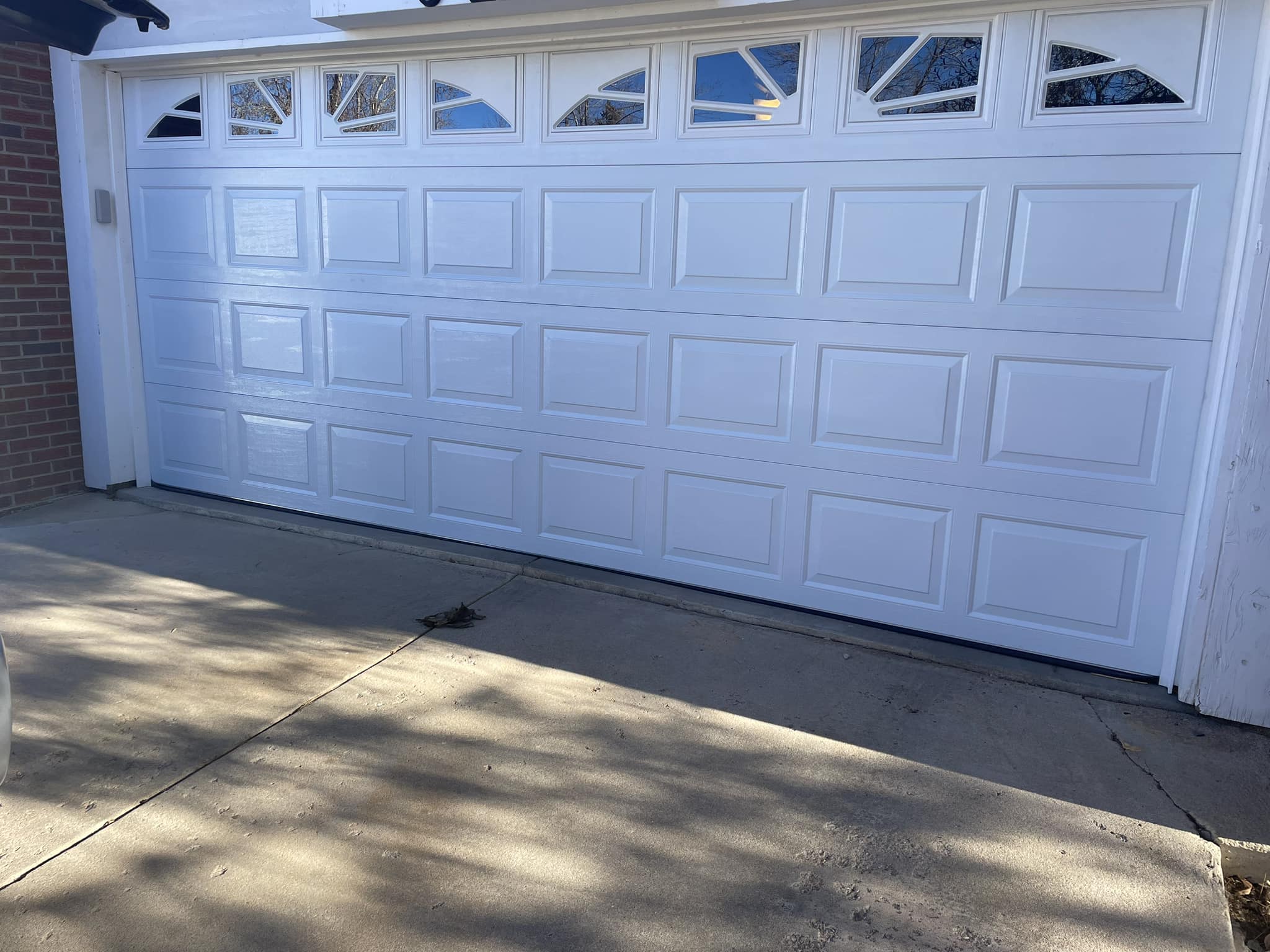
Seasonal Tips: Preparing Your Garage Door for Winter Weather Apr 01, 2026
The first step in preparing your garage door for winter weather is conducting a thorough inspection. Look closely at your garage door for any signs of wear and tear—cracks, gaps, or warped panels can allow cold air to seep in and cause your energy bills to rise. Make sure to examine both the door itself and the weather stripping that surrounds it. If the weather stripping is brittle or cracked, replacing it can be an easy DIY task that significantly impacts how well your garage is insulated.
Lubrication is another critical factor to keep your garage door functioning smoothly. Cold weather can cause the metal parts of a garage door, such as springs, hinges, and rollers, to become stiff or even freeze. Use a lubricant designed for garage doors to keep these components running smoothly throughout the colder months. Doing so can prevent unnecessary strain on your opener and help prolong the life of your garage door system.
Check the balance of your garage door. A door that is not balanced properly will force your opener to work harder, leading to potential mechanisms failure. You can test the balance by disconnecting the opener and manually lifting the door. It should lift smoothly and stay open halfway when released. If it doesn't, it may be time to call a professional from A Family Garage Door CO LLC to adjust the spring tension.
Another essential maintenance task is to examine the garage door opener’s settings. Shorter days often mean more garage door use in the dark, so ensure that the safety and light settings of your opener are in optimal condition. Test the reverse mechanism by placing an object in the path of the door to ensure it stops and reverses as it should when detecting an obstruction.
For homes in areas prone to heavy snow and ice, consider investing in a garage door made from materials that withstand these conditions efficiently. Insulated steel or composite doors are excellent choices, and adding a bottom seal can further protect against water and ice intrusion.
Ensure gutters and downspouts around your garage are clear. Ice dams can form, directing water toward your garage instead of away from it, potentially leading to damage and increased moisture inside.
Lastly, address any interior garage issues that might affect your home's energy efficiency. Insulating your garage walls and ceiling can be an excellent project to keep the interior temperature stable, reducing both energy costs and wear on your heating systems.
Preparing your garage door for winter may take a little time upfront, but it can save you both stress and money when the temperatures drop. Regular maintenance not only preserves the functionality of your door but also enhances curb appeal and adds value to your home. When in doubt, contact the experts at A Family Garage Door CO LLC for any repairs or adjustments needed, ensuring your garage remains a well-protected asset through the winter season.
/filters:no_upscale()/filters:format(webp)/media/64c650de-18e0-4e55-97f8-ae6b5f543f1f.jpeg)